

The 2019 election result offered a clear and decisive insight into how the industrial northern towns view BREXIT. They have shown a seismic shift from Labour to Conservative. 24 Labour heartland seats have been lost to the Conservatives for the first time in decades. Constituencies that have not voted Conservative for a century have switched loyalties. Don’t mistake this for a long term change to support the Conservative party, this switch is likely to be about one thing only and that is to have BREXIT delivered.
Why do these labour heartlands want BREXIT so badly? The answer can be seen in the example of Redcar, and the demise of this town. Redcar has swung from Labour to Conservative. The new MP Jacob Young, has a background working in the local industry and won a majority of 3,500 votes to claim the seat. He said that the people of Redcar were voting Conservative so that they could leave the E.U. In the EU Referendum in 2016, 66% of voters in Redcar voted to leave the European Union.
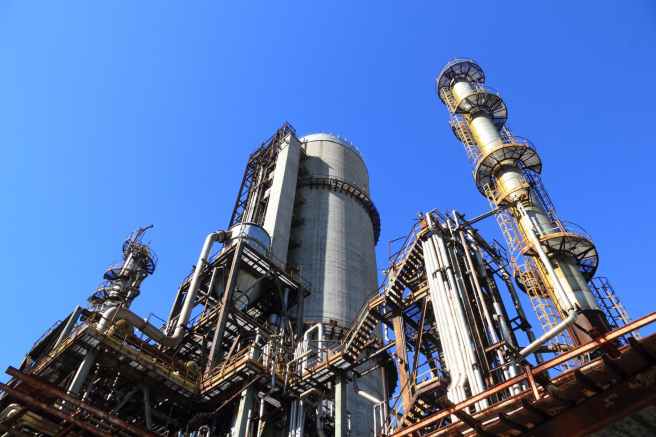
Redcar has long been associated with the steel industry, the steel plant has been facing an uncertain future for many years, and has been under constant threat of closure. Eventually in May 2019 the blast steel furnaces at Redcar were turned off, as former British Steel works went into administration. With 5,000 jobs at risk and a further 20,000 in the supply chain after failing to secure emergency government funding.
Steelworkers have repeatedly asked the government and Labour Party for help but have been told that EU rules on state aid prevented them from bailing out the steel works. This has led to the conclusion that the EU is to blame for the demise of Redcar and the UK steel industry, leading to a vote to leave the EU. The question is whether leaving the EU will bring back industry to Redcar and other regions of the North. There is a clear need to address the demise of UK Industry, (see the previous Rebel Economics article on ‘Time to Transform UK Steel’).
There are huge challenges in the community of Redcar and a huge amount of decline. People feel ignored and not listened to and voting Brexit has become their way of protest. Former steel workers faced wage cuts and insecurity in their new jobs. Shops have shut, the cinema closed down, home repossessions went up and so did suicides (with men the highest risk group). This pain is what has led the people of Redcar to protest their vote for change.
In order for the Conservative party to retain these new seats for anything longer than one election they will need to address the underlying issue of industrial decline in the UK. There is no reason why the UK can not have a successful industrial future, as other European countries such as Germany have maintained their industries. There is an underlying view that Industry in the UK is not a priority and is ‘dirty’ and better outsourced to other countries.
In the last piece for Rebel Economics, ‘The Time to Transform British Steel’, it looked at how there can be a bright future for industry and steel within the UK. This is an industry that thrives in Germany and the US and there is no reason for this not to be the case in the UK. The government should now look to their industrial policy after BREXIT and make sure that the people of the UK are heard and invested in. Delivering BREXIT is inevitable, but what happens after this? Will the government support and revive these vital industries in the UK.

 Rebel Economics
An interesting take Jenny. What do you make of the Chancellor’s recent remarks on alignment with EU rules post-Brexit?
LikeLike