

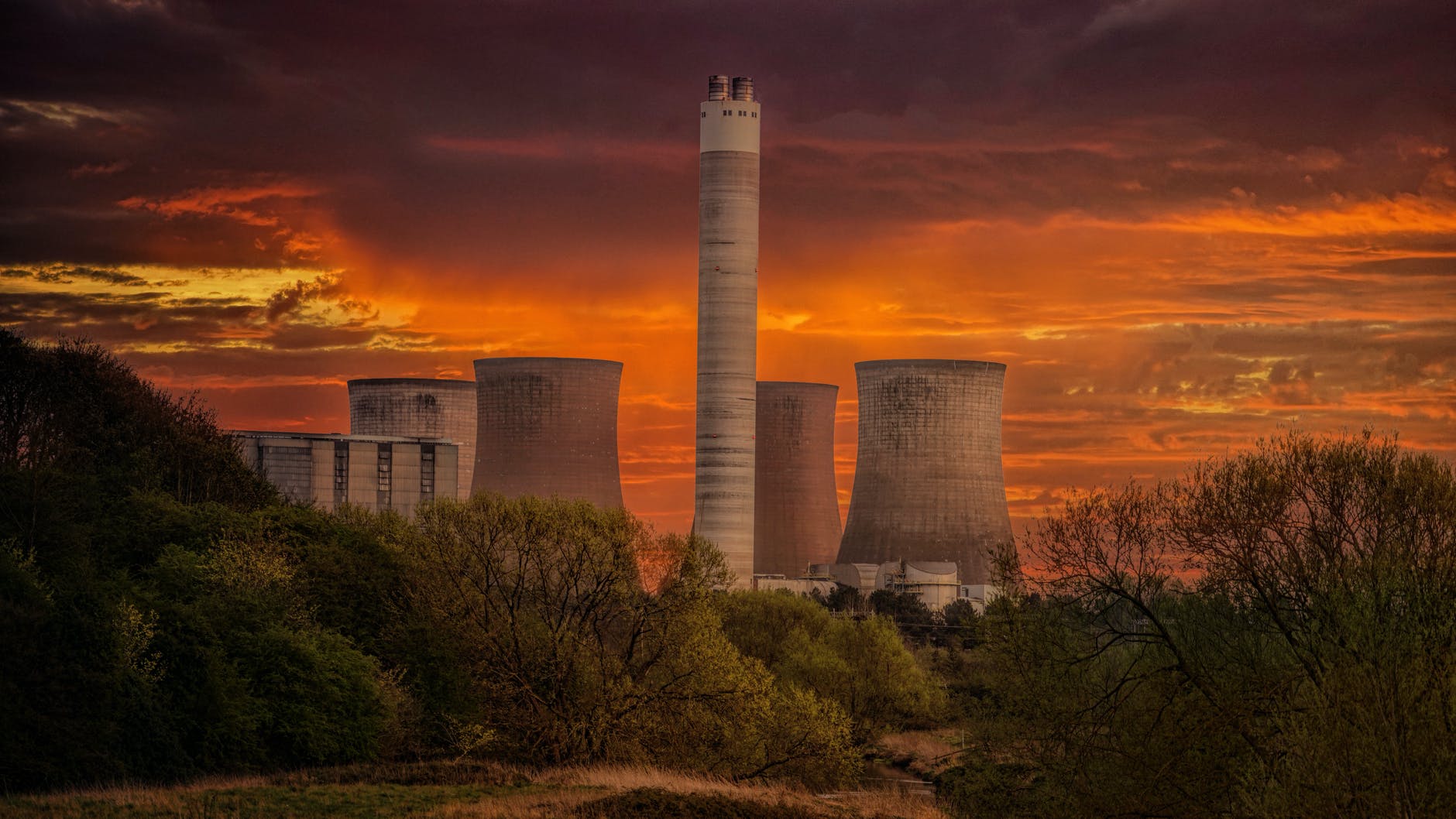
In a time of climate crisis, why is the UK building more nuclear power plants and not focusing on building Renewable plants instead? This is going against the trend in Europe to phase out nuclear power stations. 20% of electricity is still generated by nuclear reactors in the UK and new reactors are still being built.
Germany has been phasing out nuclear power and by 2022, next year, aims to be completely free of power generated by nuclear. There are good, clean and viable alternatives to producing power that don’t involve the risk or cost of nuclear. Renewable energy is cheaper and can be installed faster. Together with battery storage, it can generate the power we need and slash our emissions.
The UK government are arguing that that nuclear power is a solution to our energy problems as it helps the government to meet their carbon emissions criteria. Nuclear power does not generate carbon dioxide or other greenhouse gases. However, it does emit hazardous waste at all levels of the process from building the plant, running the plant and dismantling the plant. It is also a potential threat to the environment and humanity in the event of a nuclear disaster.
Following the nuclear disasters of Chernobyl in 1986 and Fukushima in 2011, Germany went completely against using nuclear power. After Chernobyl, 4,000 people were exposed to high level radiation and 5,000 exposed to lower level. Both levels of exposure can lead to long term cancer. In Fukushima the radiation entered the food chain and the water.
The truth is that nuclear power is not safe. Scientists will argue that the probability of a nuclear melt down is so small that it can be controlled. However, the effects of a nuclear disaster are so catastrophic to the environment and people involved that it is a risk not worth taking given the alternative clean energy sources. In an era of climate crisis and increasing severe weather events, the risk to nuclear power stations is much higher than previously considered.
Nuclear power stations have typically been located in rural or remote locations. There is definitely a ‘not in my back yard’ attitude to nuclear power. It’s a totally different story with renewable energy. People are happy to live close to renewable energy plants and the wind farm at the entrance to the Thames in London is evidence to this. A proposed nuclear power station near the capital would be unthinkable.
The other argument the UK government makes in support of nuclear power is the economic argument, they claim that it is a cheap source of power. But the reality is that building a nuclear plant is hugely expensive and complex and with planning delays can be up to a decade until completion. Renewable energy is cheaper to produce and can be installed quickly and the cost of green energy is plummeting as the price of nuclear spirals out of control.
Also the full cost of nuclear power is never really known, because unlike all other energy forms of production, nuclear is very expensive to dismantle at the end of life. The core reactor of a nuclear power plant can not simply be turned off. The length of time required to shut down the plant means that the full cost of decommissioning can never be known. This is a cost that is always under estimated and pushed onto future generations.
The UK Government’s argument for nuclear power doesn’t make sense financially and we are seeing delays to the building of new nuclear plants as the cost of building spirals upwards. This compares to renewable energy where the cost is plummeting as the technologies become mainstream. It is hard to see how the UK government can support its policy to build nuclear plants for energy when we see countries such as Germany move totally away from nuclear. In an era of climate change and weather emergencies, this is not a technology that we should be using.

 Rebel Economics